Recycling and Sustainability for Landscaping Shoreditch
 At Landscaping Shoreditch, sustainability is built into how outdoor spaces are planned, maintained, and renewed. Our approach to landscape recycling in Shoreditch focuses on reducing waste, reusing materials where possible, and supporting responsible disposal routes for the green waste, soil, timber, and hard landscaping offcuts that naturally arise during garden and site work. In a busy inner-London area, where access is tight and collections must be carefully managed, a practical recycling system matters as much as the final design.
We work toward a minimum 75% recycling and recovery target across suitable project waste streams, with the aim of increasing that figure over time as more materials can be diverted from landfill. This means prioritising separation on site, identifying what can be reused, and keeping recyclable materials clean and uncontaminated. For landscaping in Shoreditch, that can include segregating soil, green cuttings, untreated wood, metal fixings, cardboard packaging, and selected aggregates so they can be sent into the correct recovery channels.
Because Shoreditch sits within a wider network of borough waste systems, we also align our recycling practices with local expectations around waste separation. That includes keeping mixed waste to a minimum, sorting green waste separately from builders’ waste, and making sure recyclable materials are handled in a way that supports borough-wide resource recovery. Shoreditch landscaping recycling is therefore not just about clearing away debris; it is about helping materials re-enter the supply chain in a more useful form.
How Materials Are Recovered and Reused
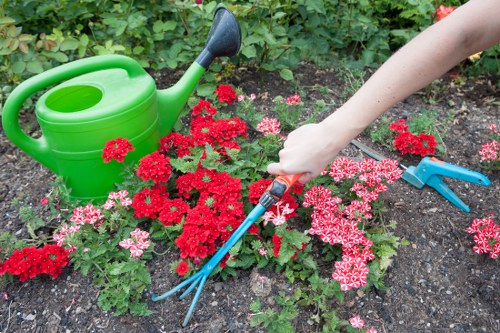 A large part of our recycling activity starts with careful sorting. On many projects, green waste such as branches, hedge trimmings, leaves, and grass cuttings is separated from general waste so it can be composted or processed as biomass feedstock where suitable. Soil and subsoil may be screened and reused if the condition allows, while stone, concrete, and brick fragments can be sent for crushing and aggregate recovery. This type of Shoreditch garden recycling supports a lower-impact approach to landscaping by extending the life of materials already in circulation.
We also make a point of recovering usable items before they enter the waste stream. Timber offcuts may be retained for future edging or site protection, intact paving pieces can be stored for patch repairs, and metal components are separated for recycling. Even packaging from plants, paving, compost, and fittings is handled thoughtfully, with cardboard and certain plastics kept apart where local processing routes permit. These small decisions add up, particularly across multiple landscaping jobs in an area with frequent redevelopment and refurbishment activity.
Local Transfer Stations and Responsible Routing
 To keep waste moving efficiently, we use local transfer stations and authorised recycling facilities within London’s wider waste network. These sites help consolidate material from smaller jobs and send it onward for processing, sorting, and recovery. For recycling-led landscaping in Shoreditch, transfer stations are especially useful because they reduce the number of long-haul journeys and make it easier to route different waste types to the correct end destination. Where possible, we favour facilities that can handle mixed construction and green waste separately, improving recovery outcomes.
Charity Partnerships and Reuse First
We believe that the most sustainable material is often the one that never becomes waste at all. That is why we support partnerships with charities and local community organisations that can make use of surplus materials from landscaping projects. Good-quality planters, timber offcuts, spare paving slabs, topsoil in reusable condition, and hardy plants may be passed on where appropriate. This helps extend the value of materials and supports community spaces, education gardens, and small-scale greening projects across London.
These partnerships also reflect the wider ethos of responsible urban landscaping. In practice, it means planning removals carefully, identifying items that can be donated or repurposed, and avoiding unnecessary disposal. When a project in Shoreditch involves replacing a planted area or upgrading hard landscaping, we review whether any element can support a local charity garden, a neighbourhood growing project, or a repair initiative. Recycling for Landscaping Shoreditch therefore includes reuse, donation, and recovery, not just disposal.
We also encourage the reuse of plant material where safe and practical. Mature shrubs may be transplanted, healthy perennials can be divided, and seasonal planting waste may be composted for future use. In boroughs that emphasise waste separation and lower contamination, these habits are particularly valuable because they reduce pressure on transfer stations and improve the quality of recovered material. That is an important part of sustainable landscaping operations in an area as active and densely used as Shoreditch.
Low-Carbon Vans and Cleaner Site Logistics
 Transport is another major part of our sustainability strategy. We use low-carbon vans where possible, prioritising efficient vehicles with reduced emissions for tool transport, plant deliveries, and waste runs. In central and inner London, where short journeys and repeated collections can quickly add up, cleaner logistics help lower the environmental footprint of each landscaping project. We also plan routes carefully to avoid unnecessary mileage and combine loads where practical.
Our vehicle choices are matched with practical site management. By scheduling deliveries and collections more efficiently, we reduce idling time, empty runs, and congestion-related delays. This matters for landscaping Shoreditch recycling because the environmental impact of waste handling is not only about where material ends up, but also about how it gets there. Lower-emission transport, together with better sorting, creates a more complete sustainability approach.
 Looking ahead, our aim is to keep improving the circularity of every project by increasing reuse, strengthening charity partnerships, and maintaining high recycling rates through better material separation. Shoreditch’s mix of homes, businesses, courtyards, and communal gardens calls for flexible, thoughtful waste solutions, and our recycling and sustainability practices are designed to meet that challenge. By combining responsible recovery, local transfer routes, and low-carbon transport, Landscaping Shoreditch helps outdoor spaces become greener in every sense.